Volvo is bringing two of its most advanced electric cars to India on October 12. From a technology-packed flagship SUV to a sleek luxury sedan promising up to 696 km of WLTP range, here is what to expect from the EX90 and ES90.
India’s luxury electric-car market is getting two new contenders, and this time, Volvo is taking a two-pronged approach. Instead of relying on a single flagship model, the Swedish carmaker is preparing to introduce the all-electric EX90 SUV and ES90 sedan together.
Scheduled to launch in India on October 12, 2026, both models will sit at the top of Volvo’s electric-car range. The EX90 is designed for buyers who want the space, presence and versatility of a luxury SUV, while the ES90 targets customers who prefer the comfort and elegance of a premium sedan.
The launch is significant for another reason. The ES90 marks Volvo’s return to India’s luxury sedan space after the S90 was discontinued in June 2025. At a time when SUVs dominate conversations around new car purchases, Volvo is making a statement by bringing an electric sedan back into the spotlight.
India-specific prices, variants and specifications are expected to be announced at the launch. Until then, the international models offer a good idea of what buyers can look forward to.
Volvo EX90: An Electric Flagship Built for Families
The Volvo EX90 is the electric counterpart to the brand’s flagship XC90 SUV, although its styling and underlying technology give it a distinct identity.
Based on Volvo’s SPA2 electric-vehicle platform, the EX90 combines a large SUV body with a fully electric powertrain. Measuring approximately 5,037 mm long, it has the road presence expected of a premium family SUV.
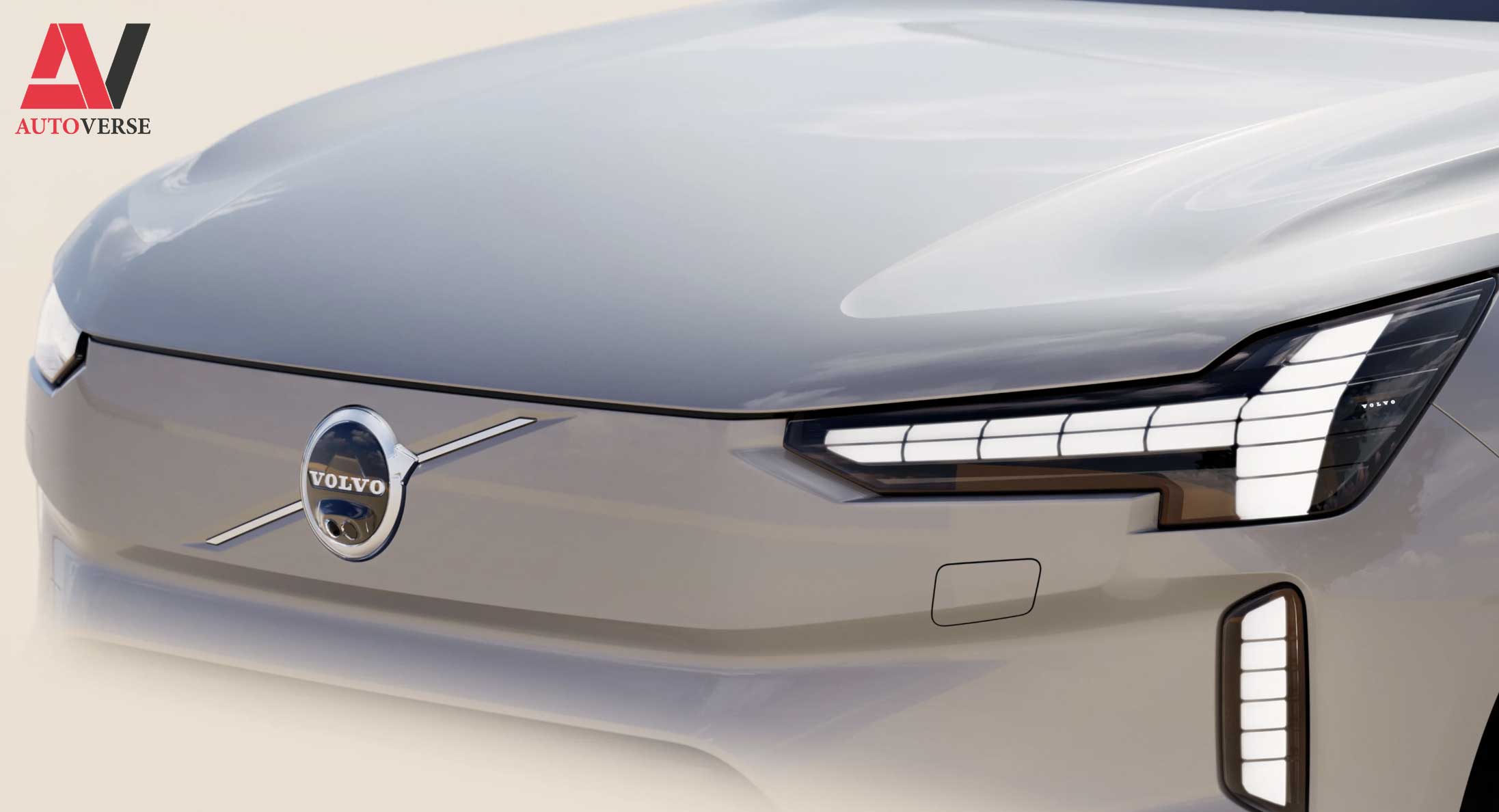
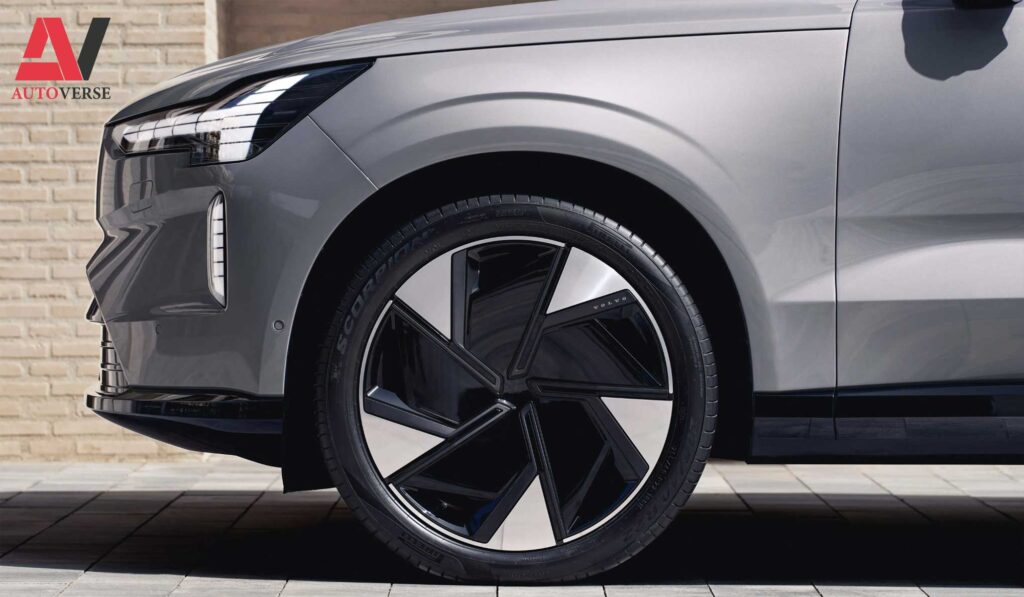
The exterior follows Volvo’s familiar minimalist design philosophy. The signature ‘Thor’s Hammer’ lighting gets a pixel-inspired treatment, while the closed-off front fascia, flush-fitting door handles and clean body surfaces give the SUV a modern appearance. At the rear, C-shaped LED tail-lamps add to its distinctive look.
The EX90 also features a roof-mounted LiDAR sensor in international specifications. This hardware supports the vehicle’s advanced sensing and driver-assistance capabilities, although the precise equipment offered on the India-spec model remains to be confirmed.
Battery, Performance and Range
Internationally, the EX90 is offered with different battery and motor configurations. Depending on the version, buyers can get a single-motor rear-wheel-drive setup or a more powerful dual-motor all-wheel-drive configuration.
The 106kWh battery version produces 456hp and 670Nm of torque in the Twin Motor configuration. The more powerful Twin Motor Performance version delivers up to 680hp and 870Nm.
In the global specification, the standard Twin Motor EX90 can accelerate from 0 to 100 km/h in a claimed 5.3 seconds, while the Performance version can complete the sprint in around four seconds.
The 106kWh model has a claimed WLTP range of up to approximately 608 km, depending on the configuration. The figures are impressive for a large luxury SUV, although real-world range will vary with speed, weather, driving style and air-conditioning use.
Volvo’s 800-volt electrical architecture supports DC fast charging at up to 350kW under compatible conditions. The manufacturer quotes around 22 minutes for a 10–80 per cent charge in the global specification. Actual charging time will depend on the charger, battery temperature and charging conditions.
A Technology-Focused Cabin
Inside, the EX90 follows a minimalist approach, with a large portrait-oriented 14.5-inch central touchscreen controlling many of the vehicle’s functions. A 9-inch driver display and a head-up display provide additional driving information.
International versions feature Google-based infotainment, connected-car technology, over-the-air software updates, a panoramic glass roof, four-zone climate control and premium audio equipment.
The EX90 is configured as a seven-seater in its standard global layout, with six-seat versions featuring second-row captain’s chairs available in certain markets. The seating configuration for India will need confirmation.
Safety remains a major part of the EX90’s appeal. Its international equipment includes multiple airbags, cameras, sensors and advanced driver-assistance systems. However, the final Indian equipment list and any India-specific safety assessment should be checked once the local version is officially detailed.
Volvo ES90: A Luxury Sedan With an Electric Heart
If the EX90 represents the family-focused side of Volvo’s electric future, the ES90 brings a different kind of appeal.
The all-electric sedan has a more streamlined profile and a design that prioritises aerodynamic efficiency. It shares the EX90’s broad design language, including the Thor’s Hammer-inspired lighting, but its lower stance and elongated proportions give it a character of its own.
Volvo quotes a drag coefficient of approximately 0.25 for the ES90, making it particularly aerodynamic. That matters in an electric car because reducing aerodynamic resistance can help improve efficiency, especially at higher speeds.
The ES90 is a five-seater in international specification and is expected to appeal to buyers who prefer the traditional luxury-sedan experience over the taller seating position of an SUV.
Up to 696 km of Claimed Range
Like the EX90, the ES90 uses Volvo’s SPA2 platform and 800V electrical architecture. Global versions are offered with battery capacities of 92kWh and 106kWh, depending on the powertrain.
The single-motor version produces 333hp and 480Nm, while the 106kWh Twin Motor configuration delivers 456hp and 670Nm. A higher-performance version is also available internationally.
The headline figure is the ES90’s claimed WLTP range of up to 696 km for the 106kWh configuration. The 92kWh version is rated at up to 664 km under the same testing standard.
These are international certified figures, not confirmed India-specific range estimates. The final number for the Indian market will depend on the variant and homologated specification Volvo chooses to offer.
The ES90 also supports DC fast charging at up to 350kW in its global specification, with a claimed 10–80 per cent charging time of around 22 minutes under suitable conditions.
Comfort and Technology
The ES90’s cabin shares much of its technology with the EX90. A 14.5-inch central touchscreen takes centre stage, supported by a digital driver display and a head-up display.
Depending on the market and variant, the equipment list includes powered front seats, a panoramic glass roof, connected-car functions, wireless phone charging, four-zone climate control and advanced driver-assistance features.
For buyers who spend long hours travelling between cities or attending business meetings, the ES90’s combination of a quiet electric powertrain, a spacious cabin and long claimed range could make it an appealing alternative to traditional luxury sedans.
Expected Price and Rivals in India
Pricing will be one of the most important factors in determining how these two EVs perform in India.
Before the launch, the EX90 was expected to be priced at around ₹1.40 crore to ₹1.50 crore (ex-showroom), according to industry estimates. The ES90’s expected pricing has been less consistent across reports, making it particularly important to wait for Volvo’s official announcement.
The EX90 could compete with premium electric SUVs such as the BMW iX and Mercedes-Benz EQS SUV, while the ES90 is likely to attract buyers considering electric luxury sedans such as the BMW i5.
The two models also serve different purposes within Volvo’s own range. The EX90 offers the practicality and commanding driving position of a large SUV, while the ES90 provides a more aerodynamic, sedan-focused alternative.
Their success will depend not just on performance and equipment, but also on pricing, charging access, ownership support and how well their features translate to Indian driving conditions.
AutoVerse Take: Two EVs, Two Different Luxury Experiences
The EX90 and ES90 show that Volvo is not approaching the luxury EV market with a one-size-fits-all strategy.
The EX90 is aimed at buyers who want a premium family SUV without giving up electric performance or advanced technology. The ES90, meanwhile, brings a fresh option to a luxury-sedan segment that has received less attention as SUVs have grown in popularity.
Both models look promising on paper, particularly with their 800V architecture, rapid-charging capability and extensive technology packages. But international specifications alone cannot tell the whole story. Indian pricing, variant selection, real-world range and after-sales support will ultimately shape their appeal.
With the official launch scheduled for October 12, the big question is whether Volvo can price these flagship EVs competitively enough to make them more than niche luxury offerings.
For now, the EX90 and ES90 are two electric cars worth watching closely as India’s premium EV market continues to evolve.
Know more about EX90.