
As electric vehicles become increasingly popular in India, one of the biggest questions among buyers is whether home charging or public charging is the better option. Charging convenience, cost, speed, and availability all play an important role in the EV ownership experience.
While home charging remains the preferred choice for daily use, public charging stations are becoming essential for long-distance travel and emergency charging.
Here’s a complete comparison to help you understand which option suits your needs.
What Is Home Charging?
Home charging involves charging your electric vehicle using a charger installed at your residence. Most EV manufacturers provide a portable charger, while many owners choose to install a dedicated wall-mounted AC charger for faster and safer charging.
Home charging is ideal for overnight charging when the vehicle is parked for several hours.
Advantages of Home Charging
✅ Charge overnight while sleeping
✅ Lower charging cost
✅ Convenient daily use
✅ Battery-friendly slow charging
✅ No waiting in queues
What Is Public Charging?
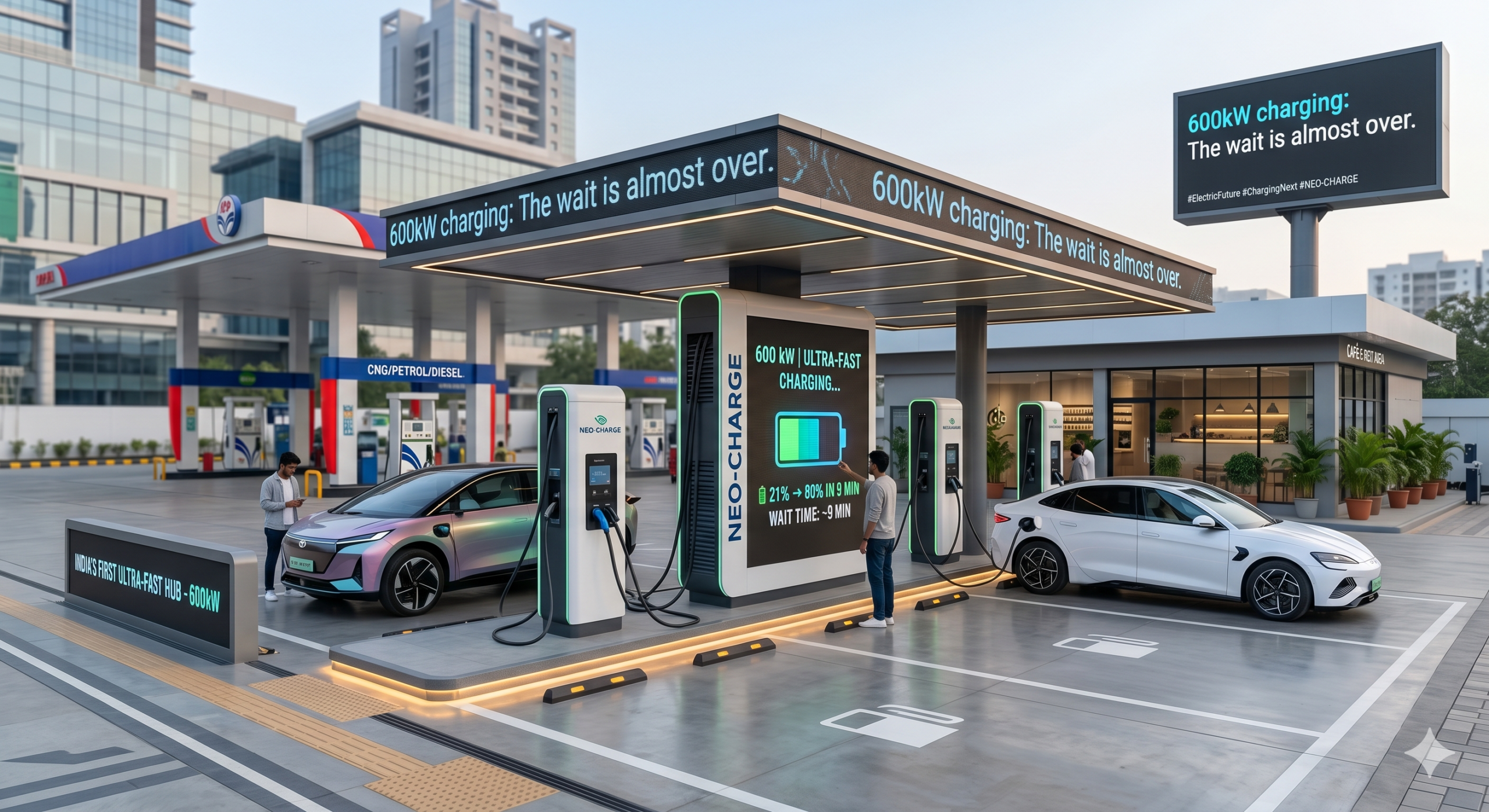
Public charging stations are installed at malls, highways, offices, fuel stations, hotels, and commercial locations. These stations usually offer AC and DC fast charging options.
Public charging is especially useful for long-distance journeys or when home charging is unavailable.
Advantages of Public Charging
✅ Fast charging capability
✅ Ideal for highway travel
✅ Expanding network across India
✅ Useful during emergencies
✅ Convenient for apartment residents
Charging Speed Comparison
One of the biggest differences between home and public charging is charging speed.
Home Charging
- AC Charging
- Typically takes 6–10 hours for a full charge
- Best for overnight charging
Public Fast Charging
- DC Fast Charging
- Can charge 20% to 80% in 30–60 minutes
- Ideal for road trips and quick top-ups
Fast charging saves time but is generally more expensive than home charging.
Charging Cost Comparison
Home charging is usually the more economical option because electricity tariffs for residential users are lower.
Home Charging
- Lower electricity cost
- Affordable monthly charging bills
- Suitable for regular use
Public Charging
- Higher per-unit charging price
- Additional service charges at some stations
- Convenient but more expensive
For daily commuting, home charging generally provides better long-term savings.
Convenience Factor
Home charging offers unmatched convenience because you can simply plug in your EV after reaching home and wake up to a fully charged vehicle.
Public charging, on the other hand, requires planning, locating available chargers, and sometimes waiting during peak hours.
For most urban EV owners, home charging remains the preferred option.
Battery Health Considerations
Battery experts generally recommend slow AC charging for routine charging because it generates less heat and places less stress on the battery pack.
Frequent DC fast charging is safe but should be used mainly for travel or urgent situations rather than daily charging.
Maintaining a balanced charging routine can help improve battery lifespan.
Who Should Choose Home Charging?
Home charging is ideal for:
- Daily office commuters
- Families with dedicated parking
- Individual homeowners
- Buyers looking to minimize charging costs
- EV owners driving less than 150 km daily
Who Should Choose Public Charging?
Public charging is suitable for:
- Long-distance travellers
- Apartment residents without charging access
- Commercial fleet operators
- Emergency charging requirements
- Frequent highway users
As India’s charging infrastructure expands, public charging will become increasingly convenient.
The Future of EV Charging in India
India is rapidly investing in EV charging infrastructure with thousands of new charging stations planned across highways and urban centers.
Future developments include:
- Ultra-fast chargers
- Battery swapping stations
- Smart charging networks
- Solar-powered charging hubs
- AI-enabled charging management
- Mobile charging solutions
These innovations will make EV ownership even more practical in the coming years.
AutoVerse Verdict
Both home charging and public charging have their own advantages.
For everyday commuting, home charging offers lower costs, greater convenience, and better battery health. However, public charging stations are essential for long-distance travel and quick charging needs.
The ideal solution for most EV owners is a combination of both—using home charging for daily driving and public fast chargers whenever longer journeys demand extra range.
Key Highlights
✅ Home charging is more affordable for daily EV use.
✅ Public charging offers faster charging during travel.
✅ Slow charging is generally better for battery longevity.
✅ India’s charging infrastructure is expanding rapidly.
✅ A mix of home and public charging provides the best EV ownership experience.