
The automobile industry is undergoing its biggest transformation since the invention of the internal combustion engine. Today’s vehicles are no longer just machines powered by engines—they are becoming software-defined cars (SDCs), where software plays a central role in everything from performance and safety to entertainment and autonomous driving.
From over-the-air (OTA) updates and AI-powered voice assistants to connected services and advanced driver assistance systems (ADAS), software is rapidly becoming the heart of modern vehicles.
As global automakers invest billions in digital mobility, software-defined cars are set to redefine the future of driving, making vehicles smarter, safer, and more personalized than ever before.
What Is a Software-Defined Car?
A software-defined car (SDC) is a vehicle where many functions are controlled and continuously improved through software rather than mechanical hardware.
Unlike traditional cars, software-defined vehicles can receive updates remotely, unlock new features, improve efficiency, and even enhance safety systems without requiring a visit to the service center.
In simple words, your car can become better over time, just like your smartphone receives software updates.
How Software Is Changing Modern Cars
Modern vehicles now contain dozens of electronic control units (ECUs) that manage everything from engine performance to infotainment systems.
Software integrates these systems into a centralized platform, allowing the car to respond intelligently to driver behavior and road conditions.
Some examples include:
- 🚗 Smart Navigation with Live Traffic
- 📱 Smartphone App Integration
- 🗣️ AI Voice Commands
- 🔄 Over-the-Air Software Updates
- ⚡ Battery Management in EVs
- 🛡️ Advanced Driver Assistance Systems (ADAS)
- 🎵 Personalized Infotainment Profiles
- 📍 Remote Vehicle Monitoring
These technologies make every drive more convenient and connected.
Features That Make Software-Defined Cars Special
✅ Over-the-Air (OTA) Updates
Manufacturers can improve vehicle software remotely without requiring customers to visit dealerships.
New features, bug fixes, navigation improvements, and performance enhancements can be installed automatically.
✅ Artificial Intelligence Integration
AI-powered assistants can understand voice commands, adjust cabin settings, recommend routes, and even learn driver preferences over time.
Future AI systems may provide predictive maintenance alerts before mechanical issues occur.
✅ Advanced Driver Assistance Systems (ADAS)
Software powers intelligent safety technologies such as:
- Lane Keeping Assist
- Adaptive Cruise Control
- Automatic Emergency Braking
- Blind Spot Monitoring
- Traffic Sign Recognition
- Parking Assist
These systems reduce driver workload and improve road safety.
✅ Connected Car Technology
Cars can now communicate with smartphones and cloud services, enabling:
- Remote Lock/Unlock
- Engine Start
- Vehicle Tracking
- Climate Control
- Geo-Fencing
- Theft Alerts
- Service Reminders
Connected mobility is becoming a standard expectation among new car buyers.
Which Cars Already Use Software-Defined Technology?
Several modern vehicles sold in India already offer software-driven experiences.
Some examples include:
- 🚙 Tata Curvv EV
- 🚙 Mahindra XEV 9e
- 🚙 Hyundai Creta Electric
- 🚙 Kia Syros
- 🚙 MG Windsor EV
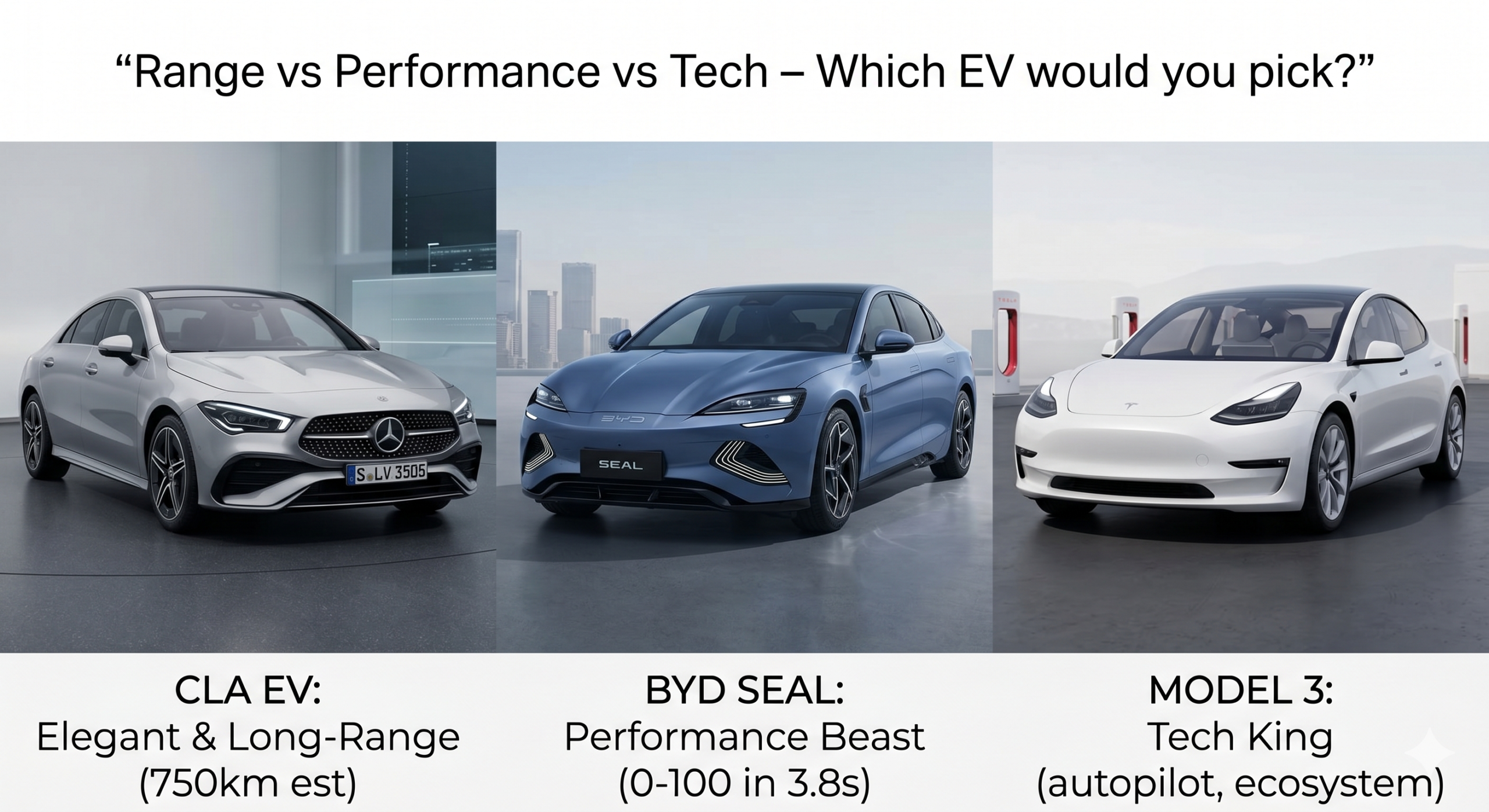
- 🚙 BYD Seal
- 🚙 Mercedes-Benz EQS
- 🚙 BMW iX
These vehicles demonstrate how software is becoming just as important as horsepower and engine size.
Benefits of Software-Defined Cars
The shift toward software-based mobility offers multiple advantages:
✔ Better Safety Features
✔ Continuous Performance Improvements
✔ Personalized Driving Experience
✔ Lower Maintenance Costs
✔ Smarter Energy Management
✔ Improved Battery Efficiency in EVs
✔ Better Connectivity
✔ Future Feature Upgrades Without Hardware Changes
Instead of buying a completely new car for better technology, owners may simply receive new software updates.
Challenges Ahead
Despite rapid progress, software-defined vehicles also face challenges.
- ⚠ Cybersecurity Risks
- ⚠ Data Privacy Concerns
- ⚠ Software Bugs
- ⚠ Dependence on Internet Connectivity
- ⚠ Higher Development Costs
Manufacturers will need to invest heavily in digital security to ensure customer trust.
What Does This Mean for Indian Buyers?
Indian consumers are increasingly prioritizing technology over traditional performance metrics.
Large touchscreens, connected apps, AI assistants, digital instrument clusters, OTA updates, and ADAS are becoming major purchase decisions.
As EV adoption increases, software-defined architecture will become even more important because electric vehicles rely heavily on software for battery management and efficiency optimization.
Over the next decade, buying a car may become similar to buying a smartphone—where software updates continuously add new capabilities.
The AutoVerse Verdict
The era of software-defined cars has officially begun. Modern vehicles are evolving into intelligent digital platforms capable of learning, adapting, and improving through software rather than hardware upgrades alone.
As artificial intelligence, cloud connectivity, and autonomous driving technologies continue to advance, software will become the defining factor that separates ordinary cars from truly smart vehicles.
For Indian buyers, the future of driving is no longer about bigger engines—it is about smarter technology, safer mobility, and continuously evolving vehicles.
Key Highlights
- ✅ Software-defined cars rely on intelligent software rather than hardware upgrades
- ✅ OTA updates can improve vehicle performance remotely
- ✅ AI and connected technology are transforming modern mobility
- ✅ ADAS and smart safety systems are becoming mainstream
- ✅ Software will play a crucial role in the future of electric and autonomous vehicles